40 Years of Excellence

Four decades of pioneering legal innovation, unwavering commitment to clients, and shaping the future of law

Celebrating Four Decades of Impact

Our commitment to excellence is reflected in the lasting relationships and groundbreaking work we’ve achieved

6,000+
Clients Served
500+
Technology Consortia Supported
50+
Industry Standards Shaped
40
Years of Innovation

Four Decades of Impact

Key moments that defined our journey and shaped the future of technology law

1980s

Foundation in Emerging Technology Law

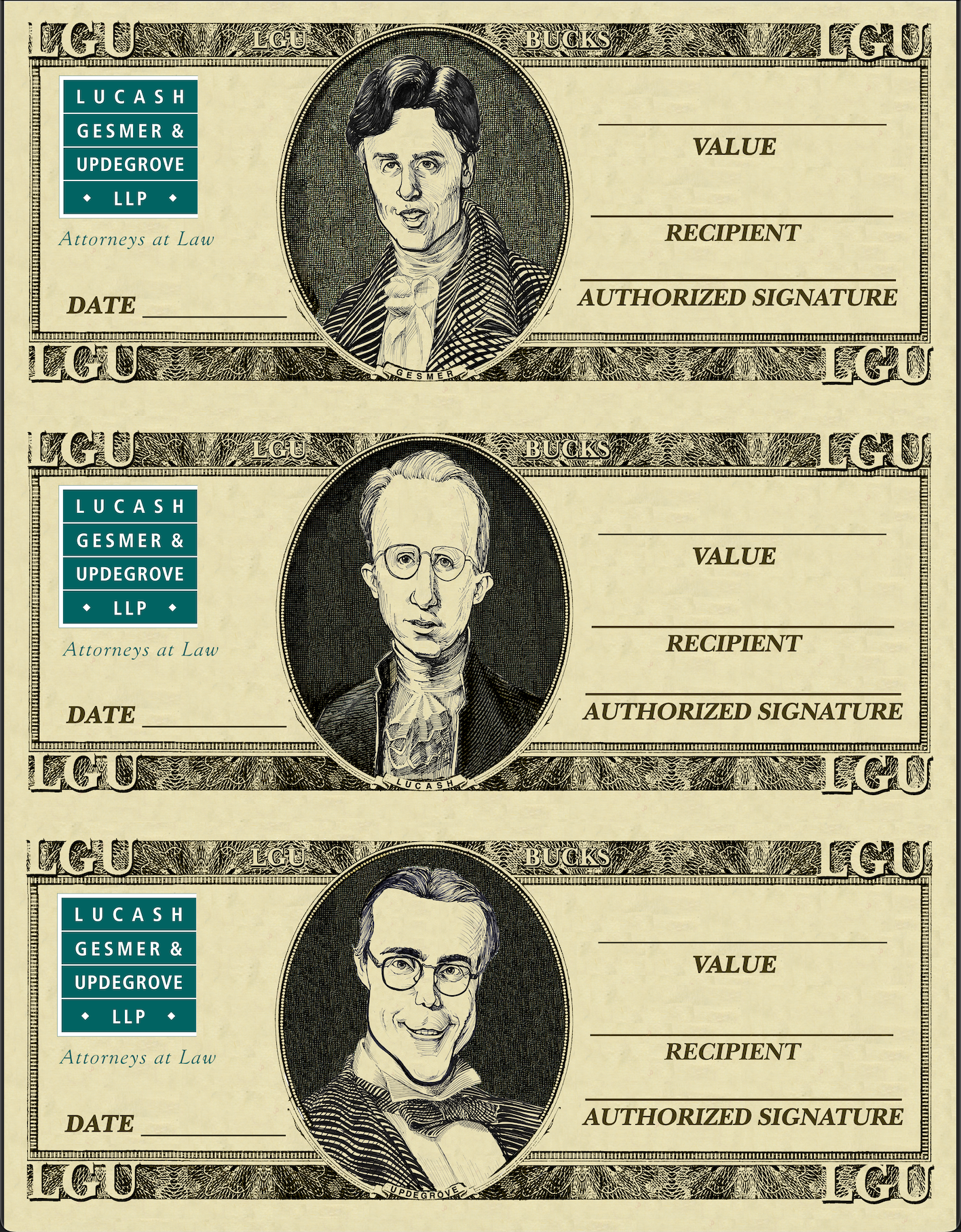
In the late 1980s, Lucash Gesmer & Updegrove was founded by Lee Gesmer and Rick Lucash as the Computer Law Firm, positioning itself early at the intersection of law and emerging technology—well before technology law was formally recognized as a distinct practice area. With Andy Updegrove joining the firm in 1987, the firm was later named Gesmer Updegrove and developed the technical fluency and forward-looking mindset that would become central to its identity, advising innovators operating ahead of established legal and regulatory frameworks.

1990s

Scaling with the Internet Economy

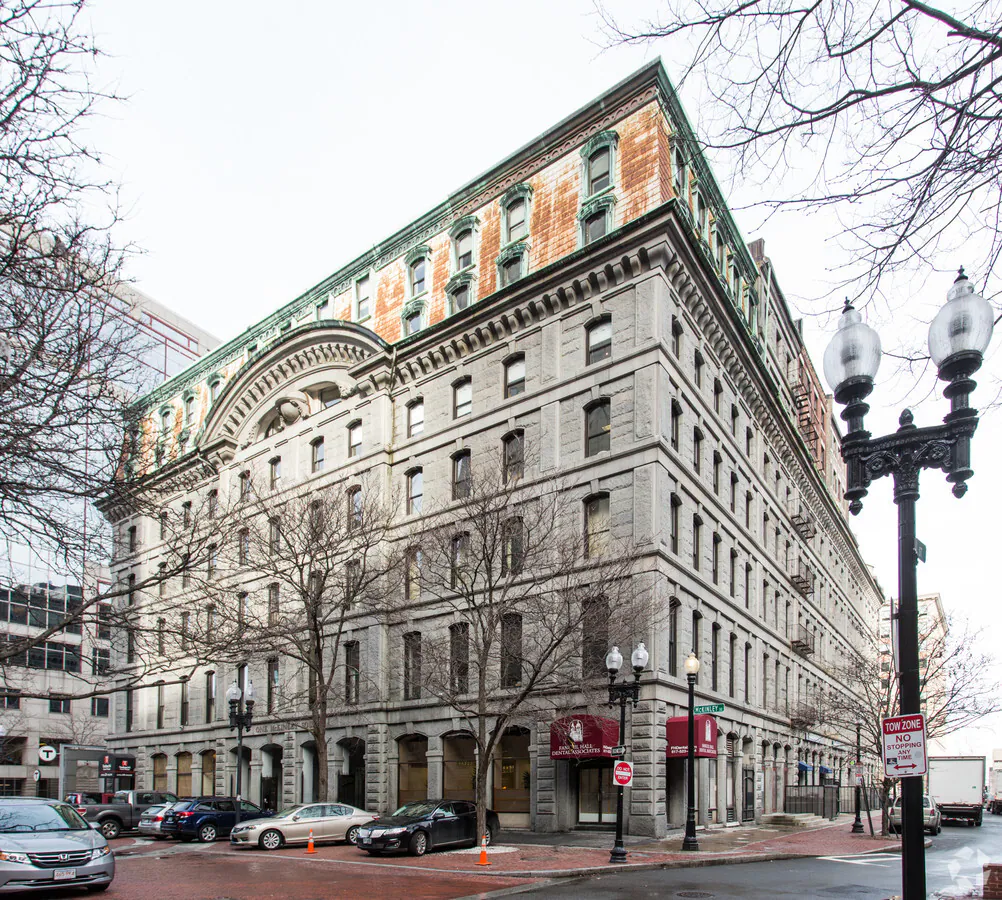
The 1990s marked a period of rapid growth as the firm evolved alongside the rise of the internet economy. A landmark $3.6 million settlement in Pratt v. Signal in 1993 reinforced the firm’s litigation strength, while the 1998 State Street Bank & Trust Co. v. Signature Financial Group, Inc. decision—confirming that software and business methods were patentable—significantly expanded opportunities for technology companies seeking sophisticated counsel. Following Netscape’s IPO and the commercialization of the internet, the firm’s client base shifted decisively toward internet-focused companies; between 1995 and 2000, Gesmer Updegrove grew its attorney roster by more than 300% and relocated to 40 Broad Street, supporting clients that included early institutional leaders such as Harvard and MIT.

2000s

Advising Through Disruption & Growth

In the 2000s, Gesmer Updegrove navigated significant market disruption with discipline and foresight, aligning its operations with the realities faced by clients during the dot-com crash and subsequent economic downturns. This client-first approach strengthened the firm’s foundation and positioned it for sustained growth through later market cycles, including the housing crisis and recession. Beginning in 2003, the firm advised emerging innovators such as iRobot, Keurig, Zipcar, Constant Contact, and Rocket Software—companies that would go on to become category leaders—and was recognized the same year as the #2 All-Star Law Firm by Mass High Tech Council.

2010s

Expanding Capabilities & Global Reach

During the 2010s, Gesmer Updegrove expanded its capabilities and global reach to better support innovation-driven clients at scale. The firm established an in-house intellectual property practice through the acquisition of Gauthier & Connors, significantly expanding its patent, trademark, and copyright capabilities, and deepened its leadership in open-source and standards-based technologies through work with organizations such as the Linux Foundation and the World Wide Web Consortium (W3C). In 2018, the firm joined Mackrell International, enabling seamless cross-border collaboration, while also earning its first U.S. News & World Report – Best Law Firm designation and advising more than 3,000 emerging companies responsible for over $6 billion in capital raised.

Current Day

Supporting Scale, Innovation & Market Leadership

From the 2020s to the present day, Gesmer Updegrove has continued to evolve to meet the needs of scaling and established businesses navigating rapid growth, regulatory complexity, and market disruption. The firm delivered uninterrupted, high-quality service throughout the COVID period—one of its strongest performance cycles—supporting a surge of new entrepreneurs and fast-growing companies. To date, Gesmer Updegrove has advised more than 6,000 scaling companies and supported $8.2 billion in M&A transactions and $7.9 billion in financing, with work spanning emerging technologies, fintech innovations such as NFC (tap-to-pay), iconic brands including the New England Patriots, and leading academic and research institutions.

The future belongs to those who innovate with purpose, collaborate with intention, and lead with integrity.

Gesmer Updegrove LLP